
16 Days Guest Blog: Lewis Wedlock

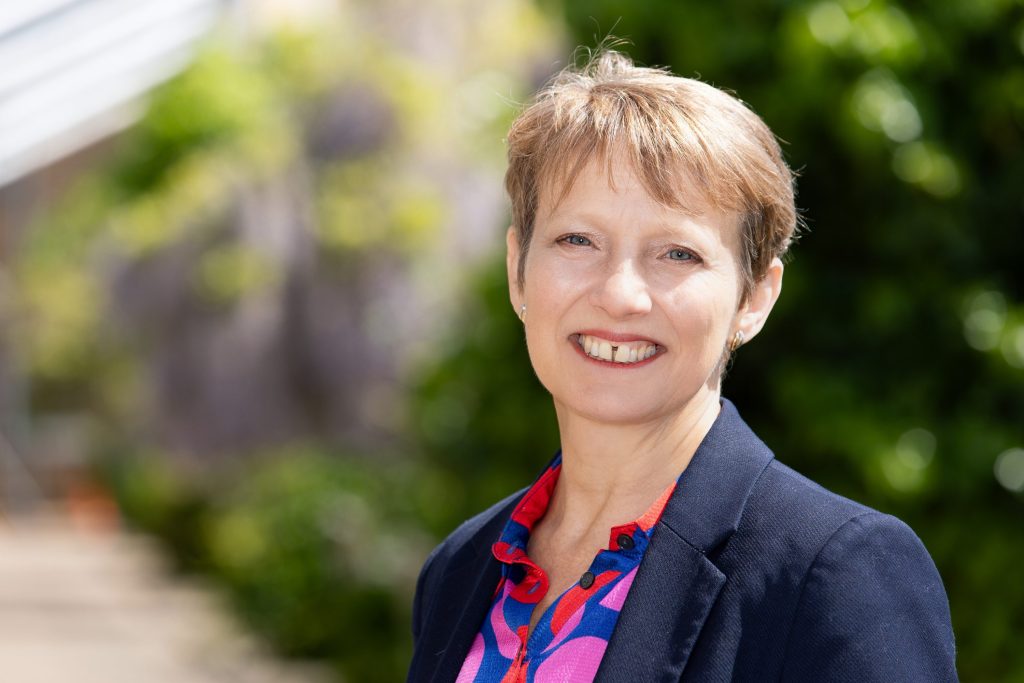
As part of the 16 Days of Activism, I’m proud to share this guest blog from Lewis Wedlock. His work with boys and young men is vital in shaping conversations about masculinity and challenging harmful norms. Preventing violence against women and girls isn’t just a women’s issue – it’s something we all have a role in. Lewis shows how engaging men and boys with compassion and honesty can create real cultural change, in schools, communities, and online. Clare Moody, PCC
Working with Men and Boys: A Multi-Layered Approach to Preventing Male Violence Against Women and Girls
I travel across the UK talking to boys and young men in schools about masculinity, misogyny, and sexism. These conversations are not just in relation to what boys see within their personal echo chambers, they are also rooted in exploring the systemic influences that show up and are normalised across culture – through our collective belief systems and normalised behaviours.
Exploring this compassionately and critically with boys is important because conversations around misogyny, sexism and MVAWG are often positioned as something that only occurs from a small population of “bad” men, as opposed to something that is systemically and culturally normalised across and within masculinity cultures. Taking the time to compassionately and curiously explore this with boys expands the conversations that relate to MVAWG to include all young men and boys, rather than focusing on targeting a select few.
I also speak to educators and professionals who work with young men about how they can become actively involved in the cultures of masculinity that they’re looking to cultivate. This isn’t just about making room for critical reflections on masculinity, it is about actively participating in the building of cultures that do not tolerate or perpetuate harmful ideologies that can disrupt the cohesion of the wider school and cultural ecosystems. When we’re looking at transforming cultures of masculinity in education, it is vital that staff are included too. It’s not just in the interests of children or young people to get on board this cultural shift; it must encompass and include everybody that makes up the school “body”. To me, we cannot passively engage in cultural transformation; we cannot look from the “outside in” when it comes to cultures we participate in. I frequently say in my work that “institutions do not have heartbeats and brains, but the people within them do”. This is why in the work that seeks to address MVAWG, everybody must be involved.
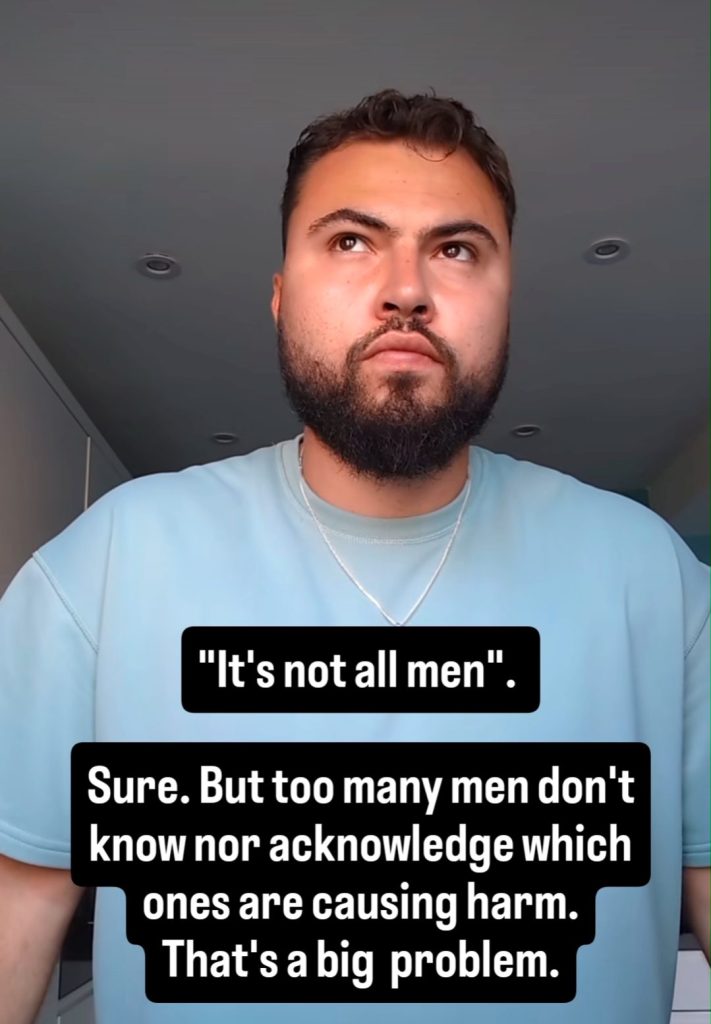
Then there’s the beast that is social media. I create a lot of short-form content online that speaks to normalised tropes around misogyny, sexism, masculinity and MVAWG. It’s cutting and a little bit inflammatory at times, but it is a potent way to hold a mirror to the experiences, ideas, and belief systems present within and across our cultures. I think it’s important to reach men and boys where they generally spend a lot of their free time, and utilising social media to bring conversations about MVAWG to people’s algorithms is a powerful tool to centre discourse that at times is avoided or dismissed entirely. In a cultural context where extremely misogynistic content is fed to young men online at increasingly fast rates (Safer Scrolling, 2024), a large portion of “disrupting” these algorithms is appealing to the “style” that typically ranks highest (seven second, b-roll style content) with messaging that seeks to counteract what is typically fed. What is important to note, is that challenging harmful ideas of masculinity doesn’t just need to occur in the classroom or in our communities; it needs to happen online as well.
In essence, the work I do is about disrupting this idea that what we are facing is a recent cultural emergence; it’s not. MVAWG has been systemically present and perpetuated for generations. It is a systemic issue, not just a cultural one. This framing, to me, really matters.
This work around preventing male violence against women and children is multifaceted and multi-layered. My work with boys and men addresses one aspect of the broader effort to build cultures where women and girls are safe to exist without having to navigate constant risk of harm. To me, exploring the inherited and normalised ideas of masculinity enables us to identify these systemic “inheritances” that are often found in masculinity cultures but rarely examined; this is not about attacking or demonising boys, it is about naming the systematicness of this “inheritance” that is often left for them to embody and enact without critical consideration.
What we do not question, we cannot address. What we cannot address, we cannot dismantle. Our framing matters, and in our pursuit of gender equity, we must not be afraid to name, explore and include ideas of masculinity in our approach to making our world a safer place for women and girls.
Suggested reading:
The Femicide Census 2022 (Published 2025)
About Lewis
Lewis Wedlock is a masculinities educator from Bristol, England.
He has spent the last five years working with thousands of young men across the UK
in secondary and higher education, engaging them in topics such as feminism,
allyship, accountability, sexism, misogyny and VAWG.
He has designed and delivered several interventions for schools looking to transform
their masculinity school cultures, and has worked with hundreds of educators to
support them in the journey towards supporting and empowering young men within
their school spaces. His debut book “Masculinities in Schools” was published
by Sage in June (2025).