
Listening, learning and acting in Bath & North East Somerset
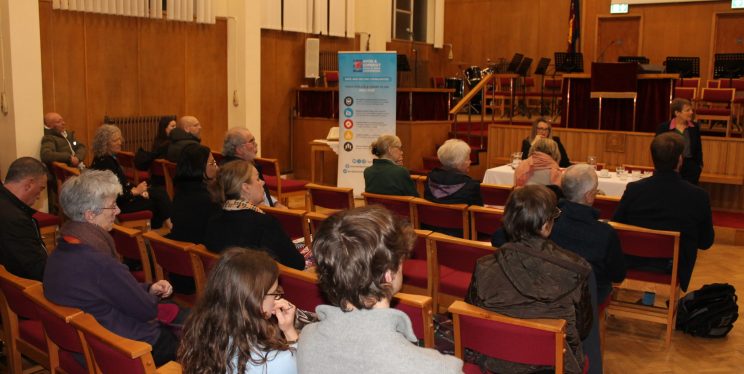
When people take the time to speak honestly about safety in their communities, it deserves to be heard — and acted on. That’s why the Bath & North East Somerset forum, held on Tuesday 20 January at the Salvation Army Bath Citadel, mattered.
What I heard there was clear: people want visible policing, safer streets, and a system that treats victims with dignity and respect.
Since being elected Police and Crime Commissioner in 2024, I’ve set out five clear priorities in my Police and Crime Plan: strengthening neighbourhood policing; reducing serious violence; tackling Violence Against Women and Girls; preventing harm — including on our roads; and raising policing standards. These priorities reflect exactly the issues raised by residents at this forum.
Neighbourhood policing was at the heart of the discussion. People want to see officers where they live and feel informed about what’s happening locally. I heard frustrations about communication, including around Neighbourhood Watch. Rebuilding trust means improving how information flows and making policing feel genuinely local again.
Road safety remains one of the strongest concerns I hear across the force area. Speeding and dangerous driving affect how safe people feel every day. While some enforcement work isn’t always visible, I agree that the impact must be felt on the ground. That means better use of data, strong partnerships with councils, and real support for Community Speed Watch volunteers, whose contribution is invaluable.
Some of the most powerful moments came from victims who shared their experiences of sexual violence, stalking and harassment. What they described — poor advice, delays and a lack of support — is not acceptable. Policing must do better. I am determined to drive improvement through stronger scrutiny, trauma-informed practice, and better support for victims throughout the justice process.
Residents also raised concerns about drugs, exploitation and cuckooing, and the pressure these issues place on neighbourhoods. These are not problems policing can solve alone, which is why partnership working with councils, housing providers, health services and community organisations is essential.
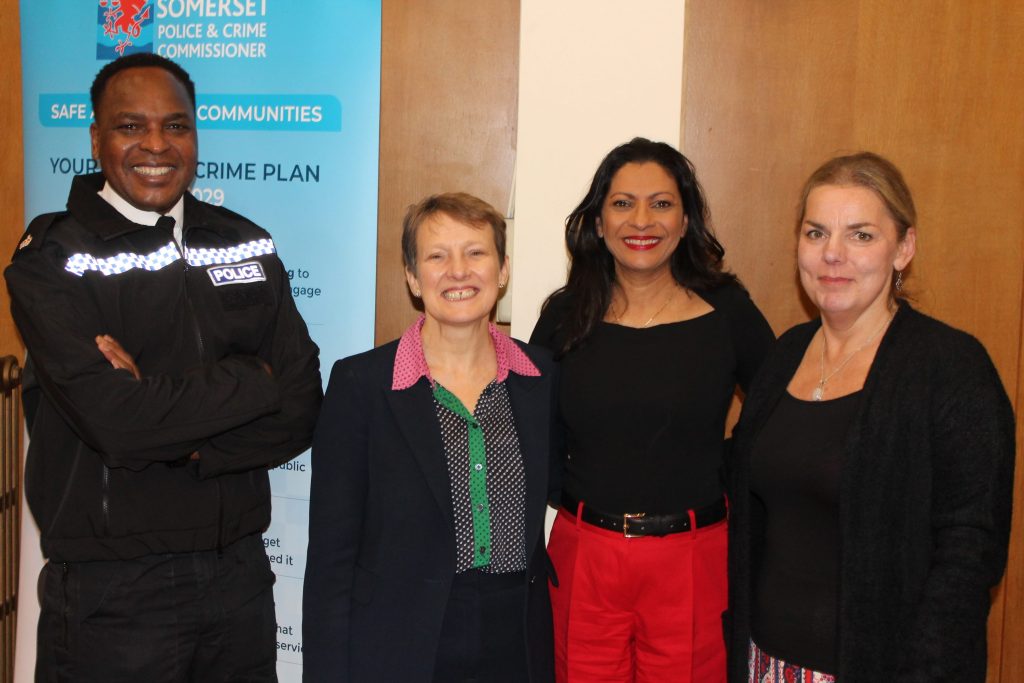
I also heard clearly from local charities facing funding uncertainty, particularly smaller, specialist services supporting victims. These organisations are vital, and I will continue to be a strong advocate for sustainable funding and recognition of their expertise.
There are real challenges ahead, including global pressures and the government’s recent announcement to abolish PCCs. But my commitment is simple: to listen, to be honest about what needs to change, and to act where I can make a difference.
Thank you to everyone who spoke up, shared their experiences and challenged me. Your voices reinforce my priorities — and they will continue to guide the work ahead.