
Keeping communities at the heart of tackling knife crime
Knife crime causes serious harm to individuals, families and communities. As Police and Crime Commissioner, I am committed to ensuring that the human impact of violence remains central to how we respond and how we work with partners to prevent harm.
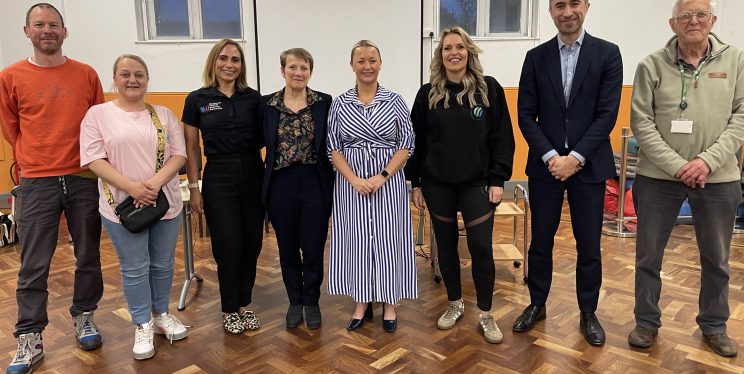
Last week in Kingswood, I attended a follow‑up public meeting on knife crime, organised by Damien Egan MP for Bristol North East, building on a similar community event held in February 2025. The purpose of the meeting was to provide an update on progress, hear directly from residents, and continue an open conversation about what is working and where further action is needed.
I was grateful to take part alongside Hayley Ryall, founder of Mikey’s World, whose lived experience work with young people is making a real difference and Detective Chief Inspector Lucy Edgeworth, Avon and Somerset Police’s force lead for knife crime. Their contributions highlighted the importance of partnership working between policing, community organisations and local services.
Throughout the discussion, one key message was clear: serious youth violence does not begin with a knife. It often starts earlier, with trauma, exclusion, exploitation and unmet need. This is why early intervention and prevention are priorities within my Police and Crime Plan.
Through our Violence Reduction Partnerships, funding is supporting a range of evidence‑based interventions, including mentoring, education inclusion projects, detached youth work, sports‑based diversion and support for families. This work is reaching thousands of children and young people across the force area and is designed to address risk factors before harm occurs.
Policing plays a vital role in protecting the public and disrupting violent crime. However, enforcement alone cannot solve this issue. Effective responses must combine policing with education, diversion and trusted community support, delivered fairly and proportionately to maintain public confidence.
Support for victims, families and communities affected by serious violence also remains a priority. Knife crime can have lasting effects on how people feel about their safety and their neighbourhoods. Trauma‑informed, long‑term support must be available for those who have been harmed.
There are no simple or immediate solutions. However, progress is possible through sustained commitment, partnership working and continued engagement with communities. I would like to thank everyone who attended the Kingswood meeting for sharing their views and contributing to this important conversation.