
Independent panel reviews 107 police complaint cases: “a clear and demonstrable impact”
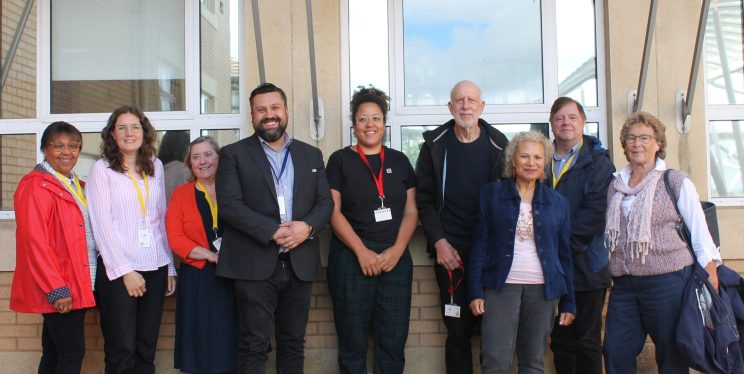
The Independent Scrutiny of Police Complaints Panel has published its annual report.
In 2025, the panel reviewed 107 police complaint cases across four quarterly meetings and provided feedback and learning to Avon and Somerset Police.
The panel exists to review and scrutinise police complaint files in detail – providing independent assurance that complaints are handled fairly, proportionately, and with a clear focus on learning and improvement.
Recommendations from the panel in 2025 included the need for clearer communication, reducing unnecessary bureaucracy, improving consistency in complaint handling, and ensuring greater proportionality in outcomes and processes.
The panel has also been continuing its work to ensure feedback and learning provided directly to complaint handlers, through the implementation of an Individual Learning Tracker.
HMICFRS inspectors commended the panel’s work last year during the Police Integrity Inspection Programme, noting that “the panel has a clear and demonstrable impact.”
Importantly, the panel is made up of 14 volunteers from communities across Avon and Somerset – ensuring that the public voice is represented and informs Police and Crime Commissioner Clare Moody’s scrutiny of policing.
Clare Moody said: “At a time of evolving public expectations and in challenging times for policing, the panel’s commitment to thorough and impartial oversight provides an essential foundation for transparency and accountability within the police complaints system. As we navigate a period of national police reform and changing governance arrangements, the importance of robust external challenge and assurance is more significant than ever in ensuring high standards of policing.”
Bryan Knickerbocker, elected to be Chair of the panel last year, said: “Throughout the year, the panel continued to focus on fairness, transparency, communication, proportionality, and organisational learning. We also saw the panel evolve and strengthen, with the welcome addition of new members from a wide range of backgrounds and experiences. As a result, the panel is better equipped to reflect the communities it serves and to support robust, well-rounded scrutiny of police complaints.”
Read the full report here.