
Why the New Strangulation Pornography Ban Matters
You may have seen reports about new legislation coming into force next month that will ban pornography depicting strangulation or suffocation.
For some, the change will seem overdue. For others, it may feel like an issue that has little relevance to their lives.
But the reality is that this affects all of us.
The attitudes people develop about relationships, consent and acceptable behaviour are shaped by many influences, including what they see online. When harmful behaviour becomes normalised, the consequences do not stay online.
That is why I welcome this legislation.
Why the law is changing
From 6 November, it will become a criminal offence in England and Wales to possess or publish pornography depicting strangulation or suffocation. The new legislation will also prohibit pornography depicting incest and adults roleplaying as children, following recommendations made in Baroness Gabby Bertin’s review of pornography regulation.
This is an important step forward.
The government’s decision recognises something campaigners, academics and victim advocates have been raising for years: content that normalises violence against women and girls is not harmless, and it can contribute to real-world harm.
What we learned through No Safe Way
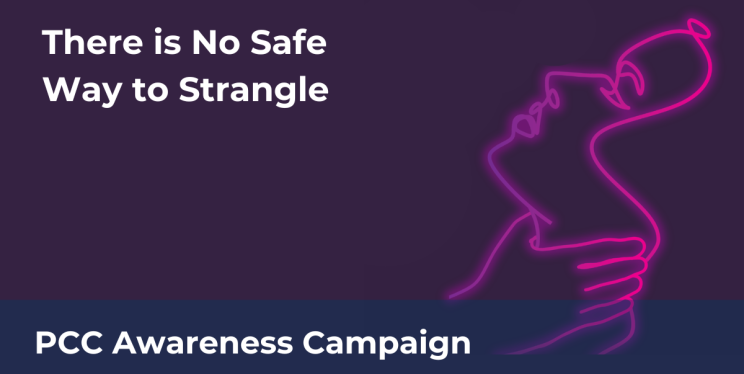
Earlier this year, I launched the No Safe Way campaign to raise awareness of the risks associated with non-fatal strangulation.
The campaign was built around a simple message: there is no safe way to strangle someone.
There was important learning from the conversations the campaign generated.
Across online discussions, many people appeared genuinely convinced that strangulation could be carried out safely. We saw individuals confidently defending a criminalised practice, sharing advice, techniques and reassurances about how risks could supposedly be minimised.
That should concern us all.
The medical evidence is clear. Restricting a person’s air or blood flow can lead to serious injury, including stroke, brain injury and loss of consciousness. Some of the most serious harms may not be visible immediately, and symptoms can emerge long after the incident itself.
Yet despite those risks, dangerous misconceptions have become widespread.
This is not a niche issue affecting a small number of people. Research by the Institute for Addressing Strangulation has found that more than a third of 16 to 34-year-olds report having been strangled or choked during consensual sex.
When so many people feel confident that they understand how to do something safely, despite clear evidence to the contrary, it demonstrates the need for this change in the law.
What happens next
The new legislation coming into force next month is an important milestone, but changing the law is only one part. We need online platforms to take responsibility for the content they host. And we need to continue having evidence-led conversations about the factors that contribute to violence against women and girls.
I am proud that the No Safe Way campaign has helped shine a light on this issue. Earlier this week, the my team behind the campaign attended the PR Week Awards after being shortlisted for their work raising awareness of non-fatal strangulation and challenging dangerous misconceptions.
While it was encouraging to see the campaign recognised nationally, what matters most is the difference it makes. Every person who learns the risks, seeks help, supports someone they care about, or challenges dangerous misinformation is a step in the right direction.
Preventing violence against women and girls requires action on many fronts. Sometimes that means investing in victim support services. Sometimes it means improving the criminal justice response. And sometimes it means being willing to have difficult conversations about issues that might otherwise be ignored.
This is one of those conversations.
The legislation due to come into force next month is a sign of progress. But our work does not end there.
We must continue to challenge the myths surrounding non-fatal strangulation, support those affected, and ensure people have access to clear, evidence-based information.
Because when it comes to strangulation, there is no safe way.