
Supporting survivors, reducing harm: a day with Bristol’s frontline services
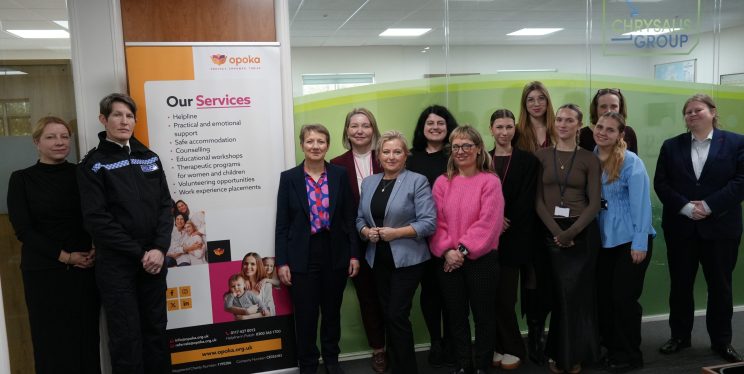
Last Friday, I visited Opoka, Eden House and Star Housing, three Bristol based organisations supporting people facing acute vulnerability- survivors of domestic abuse, women in the criminal justice system, and individuals rebuilding their lives after addiction.
And while their focus areas differ, what unites them is a profound commitment to helping people find safety, stability and hope.
Days like this are a powerful reminder that community safety is not just about policing. It is built through partnership, compassion and the often-unseen work happening every day across our region.
Opoka – culturally informed domestic abuse support
My first visit was to Opoka, the only bilingual and culturally informed domestic abuse service for Polish women and children in the UK, with outreach support including South Gloucestershire. Founded by a survivor, Opoka’s work goes far beyond practical advice — it is rooted in a deep understanding of Polish culture, language and community dynamics, as well as the barriers many women face when seeking help.
What struck me most was how their culturally informed approach creates an environment where women feel safe to speak — often for the first time. Being understood in your own language and cultural context can make the difference between suffering in silence and finding a way forward.
Opoka’s work directly align with my Police and Crime Plan priority to improve outcomes for victims and survivors of domestic abuse. However, the team faces significant pressures: rising demand from across the UK, increasingly complex cases and ongoing funding challenges. We discussed strengthening partnerships and ensuring this unique service has the long-term sustainability it needs.
Eden House – supporting women to reduce reoffending
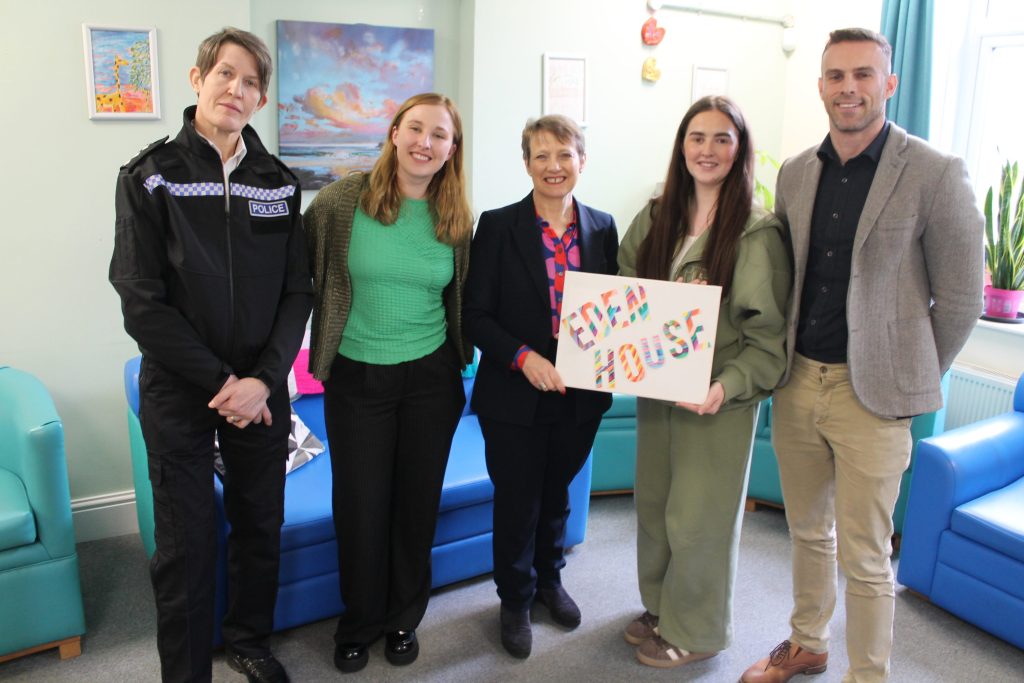
I then visited Eden House, Bristol’s women’s Approved Premises operated by Interventions Alliance. Eden House provides a safe, trauma-informed environment for up to 26 women, many of whom have experienced abuse, addiction, poor mental health or homelessness. During my visit, I toured the premises and spoke with staff about the tailored support plans, structured activities and life-skills programmes that help residents rebuild stability and independence.
We also discussed sentencing reforms, referral pressures and the importance of strong partnership pathways to improve outcomes and reduce reoffending. Their work is vital to reducing reoffending and breaking cycles of harm.
Star Housing – recovery and prevention in practice
My final visit was to Star Housing in Eastville, a growing charity providing supported accommodation and a structured 12-week recovery programme for people overcoming addiction.
The staff spoke passionately about creating a safe and dignified environment where residents can stabilise, rebuild confidence and move forward. Through 24/7 support, group work, relapse prevention and life-skills training, they provide a vital foundation for sustainable recovery.
Substance misuse is closely linked to vulnerability and offending, and Star Housing’s approach aligns strongly with priorities around prevention and early intervention. By supporting people before situations escalate into crisis, they help reduce harm and strengthen community safety.
Like many organisations in the recovery sector, they face increasing demand and resource pressures — yet their commitment to partnership working and high-quality support remains unwavering.
A shared purpose: safer and secure communities
Although each organisation operates in a different space, they share a common purpose: supporting people at the moments that matter most.
Their work strengthens our shared goals to:
- Protect victims and vulnerable people
- Reduce reoffending
- Prevent harm before it escalates
- Build stronger partnerships across services
I left inspired by the passion, professionalism and dedication of the people I met. They undertake essential and often challenging work that makes our communities safer and more secure.