
Dr Shereen Daniels: “Soft language and good intentions don’t magically transform experiences”
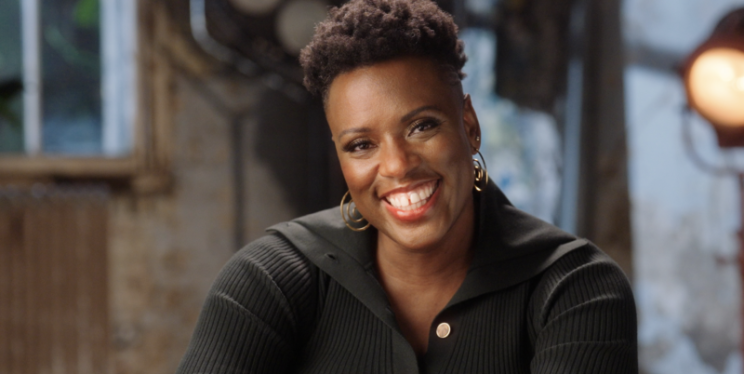
PCC Clare Moody:
Last week, Avon and Somerset Police hosted the annual National Black Policing Association conference – which brought together police officers and staff, colleagues, delegates and partners from across the UK.
The conference this year centred around the role of ethical leadership in an age of division, and the importance of ‘uncomfortable truths.’
I am glad to share a guest blog post from Dr Shereen Daniels – who spoke at the conference – reflecting on these truths, the importance of upholding scrutiny and accountability, and the work that still needs to be done across policing nationally.
Dr Shereen Daniels:
It would be remiss of me not to say how honoured I was to be invited to this year’s National Black Police Association conference, hosted by Avon and Somerset in Bristol. It’s a rare opportunity to be amongst officers and staff whose experiences I painstakingly tried to centre in 30 Patterns of Harm.
Those present heard my disappointment and frustration; my deep sighs, as host Antoine Allen posed his first question to me, were genuine.
Police forces and others across the justice system have immense influence. Yet we’re still hearing intentions expressed in the future tense, dressed up in “inclusion”, “belonging”, “fairness” and “impartiality”. How can we claim impartiality when institutional practices remain stacked against people deemed “different”, in ways that go far beyond just racial identity?
I know my challenge can be uncomfortable, including for people who care deeply, feel like they get it and are trying to make a difference. There can be frustration when that care isn’t acknowledged: “don’t put me in the same bracket as them”. But having heard Black colleagues share their experiences and the appalling treatment they’ve routinely been subjected to, it’s incumbent upon me to challenge myself harder than I challenge anyone else, and it’s that ability to do so, often on public record, that allows me to do the same with organisations and institutions.
There can be a passionate emphasis on values, a quickness to judge those deemed “racist”, yet a persistent reluctance to ask: what are we willing to confront about how we operate that keeps producing these racialised outcomes? What are we still protecting, and at whose expense?
We are still uncomfortable about naming the depths of the problem, when it means moving the microscope away from Black people.
Listening to the panel that was on before me, I reflected on how frequently I heard references to Black colleagues, Black community members, Black officers, Black staff. Yet, at the risk of stating the obvious, we aren’t the ones holding most of the institutional power. So where was the same precision in naming the decisions and behaviours of white leaders? Of practices, judgements and decisions that favour the white majority?
I also found myself questioning the assumptions behind references to balance and getting the public onside.
Who are we imagining when we say “the public”? Black communities are part of that public too. And when some members oppose addressing systemic racism, how is that opposition weighed against the harm already being experienced? Listening to someone’s view and allowing it to determine whether harm is addressed are different decisions. What exactly are we balancing, and who is being asked to bear the cost when “white public sentiment” is prioritised in decision-making?
If you are a senior leader in policing, part of the Chief Officer Group, you must advocate for action that, at its foundation, traces how your decisions produce the outcomes you say you want to change. And we, as concerned parties, must hold them to account for their reasoning and how judgement is used, and power is exercised, not just the outcomes captured in metrics and dashboards.
When that examination is deliberately avoided, we need to name it as a choice that most likely protects the institution and its leaders and then ask how they are mitigating the impact of avoiding such examination.
My plea to you is that we don’t collude, becoming willing or unconscious cogs in the machinery of denial, dismissal and redirection.
That we stay specific, put accountability in the right place and don’t confuse showing up with progress.
Soft language and good intentions don’t magically transform experiences.
We cannot keep promoting recruitment while treating Black officers, staff and volunteers as collateral damage once they’re inside. We already know enough to act. To what extent are we acting on that knowledge, and does the depth of our action match the depth of the harm?
In closing, I’m also thinking about the few senior officers who stayed into the evening. Sharing food, laughing, joking, dancing and connecting. Everyone’s busy, I get that. But what would it have taken for more senior officers to stay beyond their colleague’s turn on a panel, amongst officers past and present who keep showing up even when their institutions have so badly let them down?
Time spent isn’t an indicator of impact; however, I personally enjoyed the conversations, the cussing, the hugs, selfies and stories. I’m grateful to everyone who welcomed me and extended care, grace and compassion to others.
What a day, and what a gorgeous night.
With love.
Dr Shereen Daniels