
Reflecting on the National Black Police Association conference
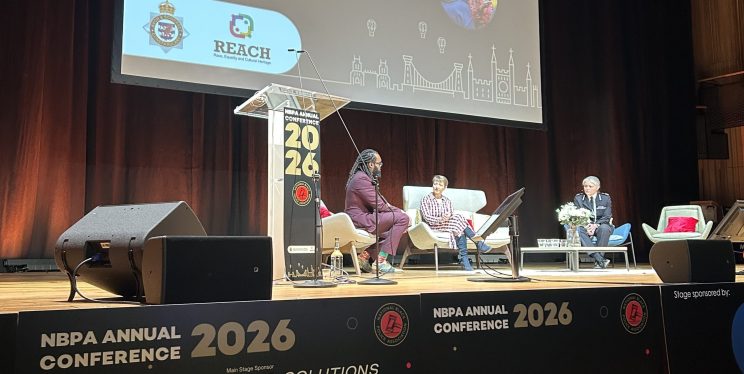
Last week, Avon and Somerset Police had the privilege of hosting the National Black Police Association conference.
The annual event is a chance to discuss racial inequality in policing, how policing is delivered to our minoritised communities, and how to improve things for Black, Asian and minoritised officers and staff.
My office and I supported Avon and Somerset Police in hosting the conference, which fell during Black History Month, and I want to reflect on some of the important talks and topics from the conference at The Bristol Beacon.
The theme of the conference was ethical leadership and what it means to hold the line in an age of division.
There were incredible talks from a range of speakers including the President of the National Black Police Association Chief Inspector Andy George, experienced criminal justice leaders like Nazir Afzal OBE and Grace Ononiwu, and Dr Shereen Daniels, the leading HR expert and anti-racism strategist who wrote the 30 Patterns of Harm report on The Metropolitan Police Service.
I had a fireside chat with Chief Constable Sarah Crew, hosted by journalist and presenter Antoine Allen, about ethical leadership and the importance of acknowledging and discussing ‘uncomfortable truths.’
The Chief and I talked about the changes within Avon and Somerset Police since she acknowledged institutional racism in policing after the Baroness Casey review was published. We also talked about the challenges and responsibility of moving the dials on systemic racism and how, despite the acknowledgement and work undergone, the picture has not improved enough.
However, it was uplifting to hear from so many inspiring voices who are committed to continuing the work to make policing fairer and more effective.
One thing really stayed with me throughout the conference: the importance of listening. Listening to communities, learning from lived experience, and being prepared to hear things that can be uncomfortable. Ensuring that the public voice and independent accountability remain embedded and sustainable in policing, whatever structures emerge from police service reform, is something I will continue to champion.
Ethical leadership is not about having all the answers. It’s about being open to challenge, welcoming scrutiny, and following the evidence. And while listening is vitally important, it’s also about having the courage to act on what we hear.
There are no quick fixes, but lasting change happens when we listen, respond and walk alongside our communities. That’s how we build trust, strengthen policing, and create a service that works for everyone.
Thank you to everyone who shared their experiences, insights and commitment to positive change.